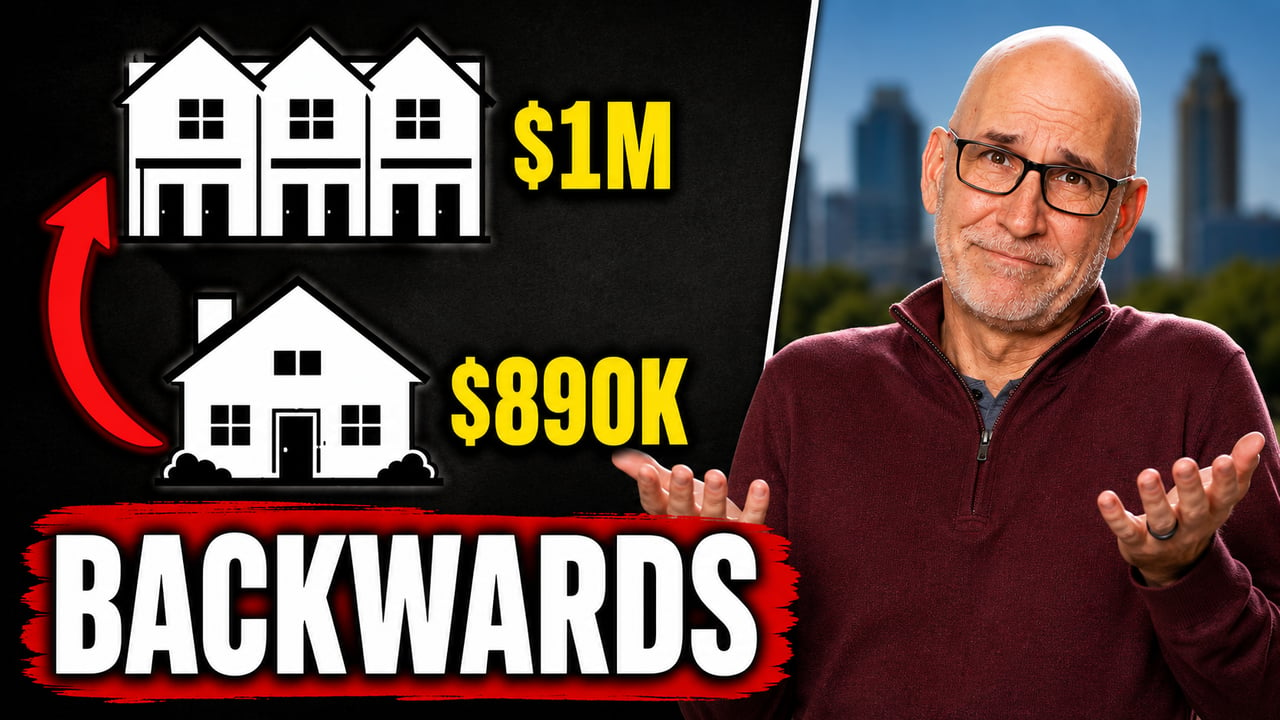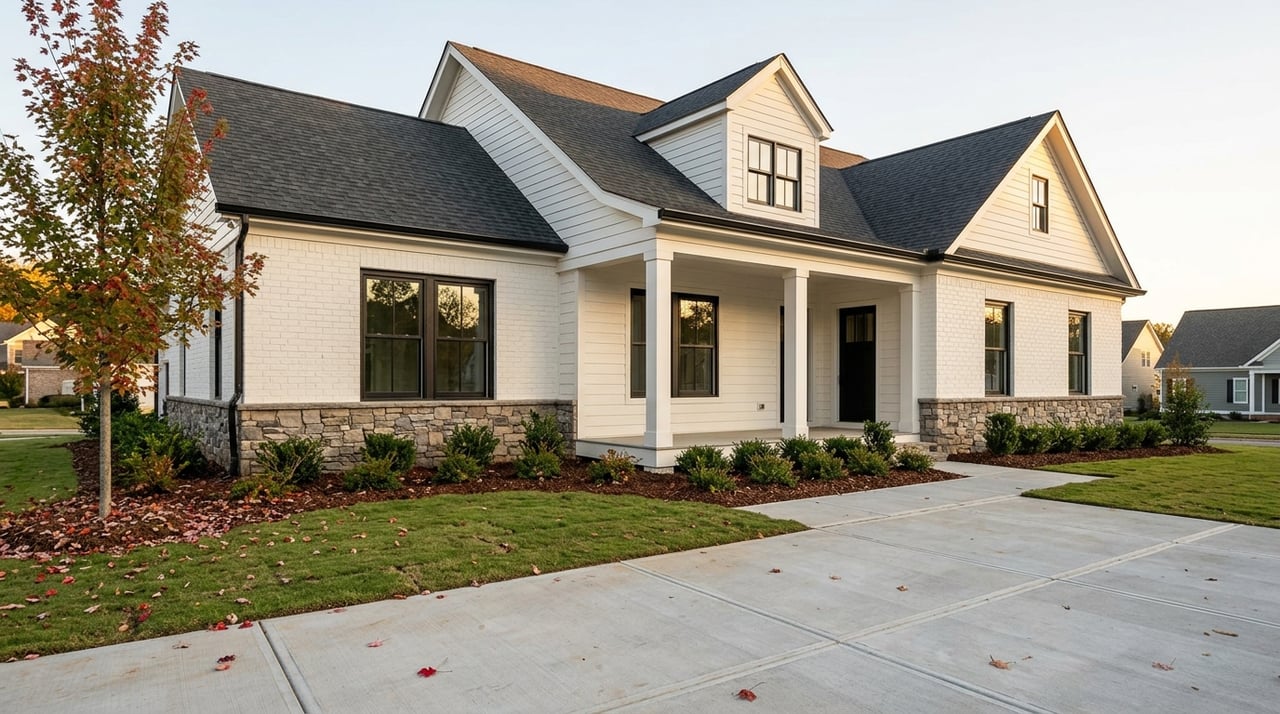
Two homes went under contract in Hillsborough this spring. One was a three-bedroom townhome at Collins Ridge, the D.R. Horton community half a mile from downtown. It sold in 11 days. The other was an established resale home in one of the town's older neighborhoods, similarly priced and in solid condition. It sat for months.
Same town. Same season. Same buyer pool, in theory. Wildly different outcomes.
If you've been watching Hillsborough's numbers from a distance, you've probably seen the headline stat: median list price around $482,000, roughly flat to slightly down over the past year. That number reads as calm. It isn't. Underneath it, Hillsborough has quietly become a two-speed market, and the speed you get depends less on your price point than on whether your home is new or existing.
The Number That Doesn't Match the Story
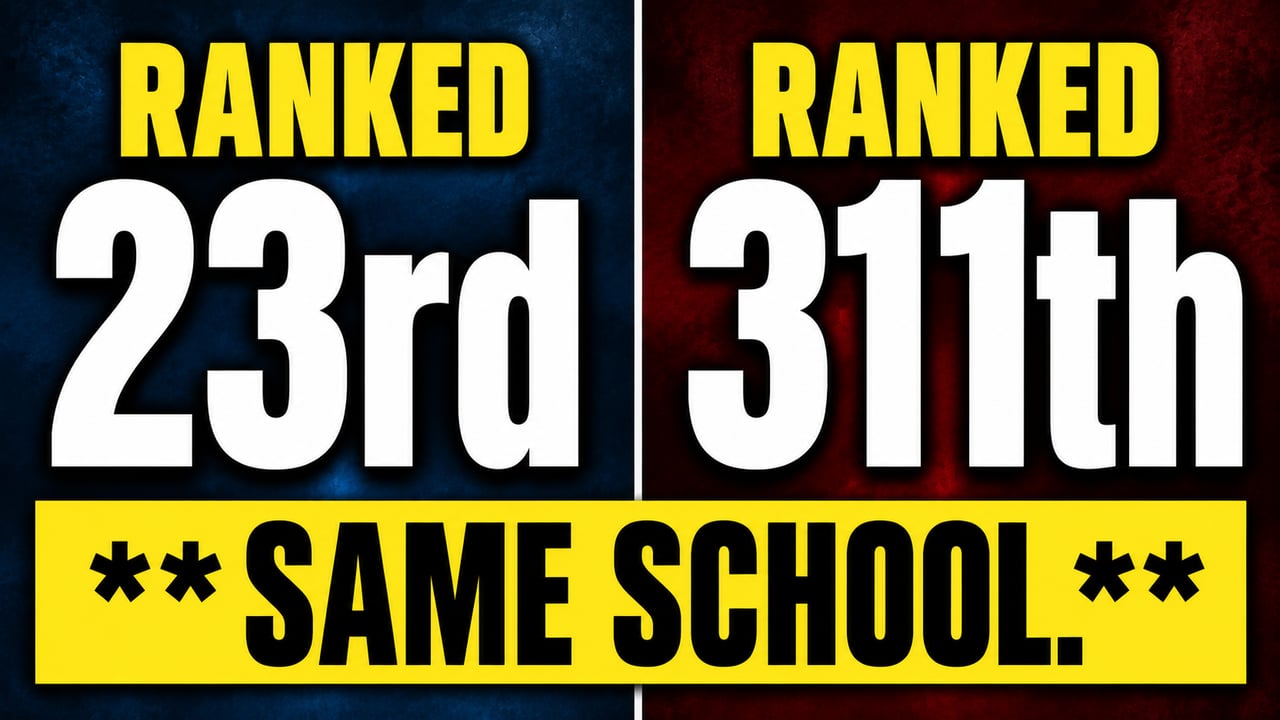
As of August 2026, the typical Hillsborough home sat on the market for 81 days, statistically unchanged from a year earlier. Price per square foot fell 7 percent over the same period, to $235. Statewide, North Carolina homes were closing in a median of 65 days as of June 2026. Hillsborough is running noticeably slower than the state it sits in, even though its price tag hasn't collapsed.
That combination should raise a question. If demand had genuinely dried up, price per square foot and days on market would usually move together in a more dramatic way. Instead, Hillsborough looks like a market where something is absorbing buyers fast in one place while leaving sellers waiting somewhere else.
That something has a name, and it's currently pouring concrete a half mile from Churton Street.
Two Speeds, One ZIP Code
Collins Ridge is a master-planned community approved by the Hillsborough Board of Commissioners for 950 dwellings, a mix of single-family houses, townhouses, and apartments, plus 88 affordable rental units built by CASA. D.R. Horton has been building out the single-family and townhome phases in stages, marketing the community's proximity to downtown, I-85, and I-40 alongside amenities like a saltwater pool, a clubhouse with a fitness center, two pickleball courts, and a dog park.
The town has also approved Waterstone South, a nearly 99-acre development cleared for 205 townhomes, 450 apartments, and neighborhood commercial and medical office space. That's on top of the existing Shops at Waterstone commercial development already built out nearby.
In April 2026, homes in Collins Ridge sold after an average of just 11 days on the market. The average price per square foot that month was $189.49. Current builder listings show new Collins Ridge Townes units priced from $380,000 to $390,000, with detached homes in the community starting around $417,990. Every one of those figures sits well below Hillsborough's townwide median list price of $482,000 and its $235 price per square foot.
Here's the comparison side by side:
| Metric | Collins Ridge (new construction) | Hillsborough townwide |
|---|---|---|
| Typical sale price | Homes selling from $380K–$418K; one month's median sale was $340,000 | Median list price $482,000 (Aug. 2026) |
| Price per square foot | $189.49 (April 2026) | $235, down 7% year over year (Aug. 2026) |
| Days on market | 11 days average (April 2026) | 81 days (Aug. 2026) |
The Collins Ridge sale price bounced around that spring, dropping to $340,000 in April from $499,000 the month before, which is normal for a community selling only a handful of units monthly rather than a sign of a crash. What didn't bounce around was the pace. Whether the month's sales skewed toward a $380,000 townhome or a $480,000 single-family listing, they kept moving in days, not months.
Why Builders Can Move Faster Than an Individual Seller Can
A resale seller in Hillsborough is not just competing against other resale sellers. They're competing against a builder that can discount the deal without discounting the list price.
A WRAL market roundup from March 2026 laid out exactly this pattern playing out elsewhere in the Triangle. Builders in towns like Wake Forest, Knightdale, and Wendell have been offering rate buydowns, special financing, and closing cost assistance to move new inventory, and that new supply has put downward pressure on resale homes in those same submarkets. D.R. Horton runs its own version of this playbook through its affiliated DHI Mortgage and DHI Title arms, bundling financing incentives directly into the new-construction sale in ways a resale seller structurally cannot replicate.
A resale seller can drop the list price. A builder can keep the list price steady and instead knock a percentage point off the interest rate, or cover a buyer's closing costs, or throw in the blinds and appliances the buyer would have otherwise paid for out of pocket. To a buyer comparing monthly payments, those two moves can look identical. To a seller trying to compete, only one of them is available.
That's the mechanism behind Hillsborough's stalled days-on-market number. It isn't that buyers stopped wanting homes here. It's that a meaningful share of them are choosing the option that moves faster and costs less per square foot, and that option happens to come with a sales office and a construction schedule.
What This Means If You're Selling an Existing Home
If your Hillsborough home has been sitting, the fix usually isn't a bigger price cut. It's tighter alignment between what you're asking and what a buyer standing in your kitchen can compare it to.
A few things resale sellers have going for them that a construction site half a mile away doesn't:
- Mature landscaping and established trees, which a community still in active build-out phases simply hasn't grown into yet
- A shorter walk to the historic downtown core for homes in Hillsborough's older neighborhoods
- No ongoing construction traffic, dust, or phased build-out noise on the street
- Architectural character and lot layouts that don't repeat down the block
None of that shows up in a price-per-square-foot comparison, but it's real to a buyer standing in the home. The sellers getting the fastest, cleanest results right now are the ones pricing to the current comparable set from day one and presenting the home in a condition that makes the case for those advantages instead of assuming the buyer will infer them.
This is where a pre-listing strategy matters more than it did two years ago. Programs like Compass Concierge exist for exactly this moment: covering the cost of the paint, staging, or minor repair work that helps a resale listing compete on presentation since it can't compete on builder-style financing incentives.
What This Means If You're Choosing Between New and Resale
If you're a buyer cross-shopping Collins Ridge against an existing Hillsborough neighborhood, the price-per-square-foot gap is real, but so is the fine print. Collins Ridge's 950-unit build-out is still in progress, which means ongoing construction phases, and buyers in early phases have watched later phases open with different pricing and incentives.
There's also a road question worth understanding before you commit to the area. South Churton Street, the primary route into downtown from I-40 and I-85, carries roughly 20,000 to 25,000 vehicles a day and is still a two-lane road with a center turn lane. The town's multimodal corridor study wrapped up in 2024, but the actual widening construction is currently scheduled in the state's draft Transportation Improvement Program for fiscal year 2033. The added traffic from Collins Ridge and Waterstone South's full build-out will be arriving well before that relief does.
None of this means new construction is a bad choice, or that resale is the smarter one. It means the two are no longer interchangeable line items on the same spreadsheet. They're two different products with two different timelines, and Hillsborough's market data only makes sense once you separate them.
A Few Questions Worth Asking Before You Act
Does new construction always sell for less per square foot than resale in Hillsborough? Not in every month. Collins Ridge's own numbers swung from a $499,000 median sale one month to $340,000 the next, reflecting the small number of closings in a single phase rather than a steady trend. But even with that volatility, the days-on-market gap between new construction and resale has been consistent, and that gap is the more reliable signal.
Will the Churton Street widening ease the traffic from all this growth soon? Not on any timeline that affects a decision you'd make this year. The town's own project page lists the construction phase in the state's draft transportation program for fiscal year 2033, roughly seven years out from now.
Does 81 days on market mean prices are about to fall further? Not automatically. A slow market and a falling market aren't the same thing. What 81 days usually signals in Hillsborough right now is a home priced or presented for a market that no longer exists, one where buyers didn't have a fast, incentivized new-construction option sitting nearby.
If you're trying to figure out where your home or your search actually lands in this two-speed market, that's a conversation worth having before you list or make an offer. Spotlight Realty works Hillsborough and the surrounding Triangle every day and can walk you through what your specific comparable set looks like right now, not the townwide average.