If you want Chapel Hill convenience without a fully urban feel, Meadowmont is one of the first neighborhoods worth a close look. It appeals to many buyers because it blends a planned community layout, a broad mix of home types, and daily errands that can feel simpler than in a more spread-out neighborhood. If you are wondering whether that tradeoff fits your lifestyle, this guide will help you weigh the pros, limits, and day-to-day reality of living in Meadowmont. Let’s dive in.
What Meadowmont Is Like
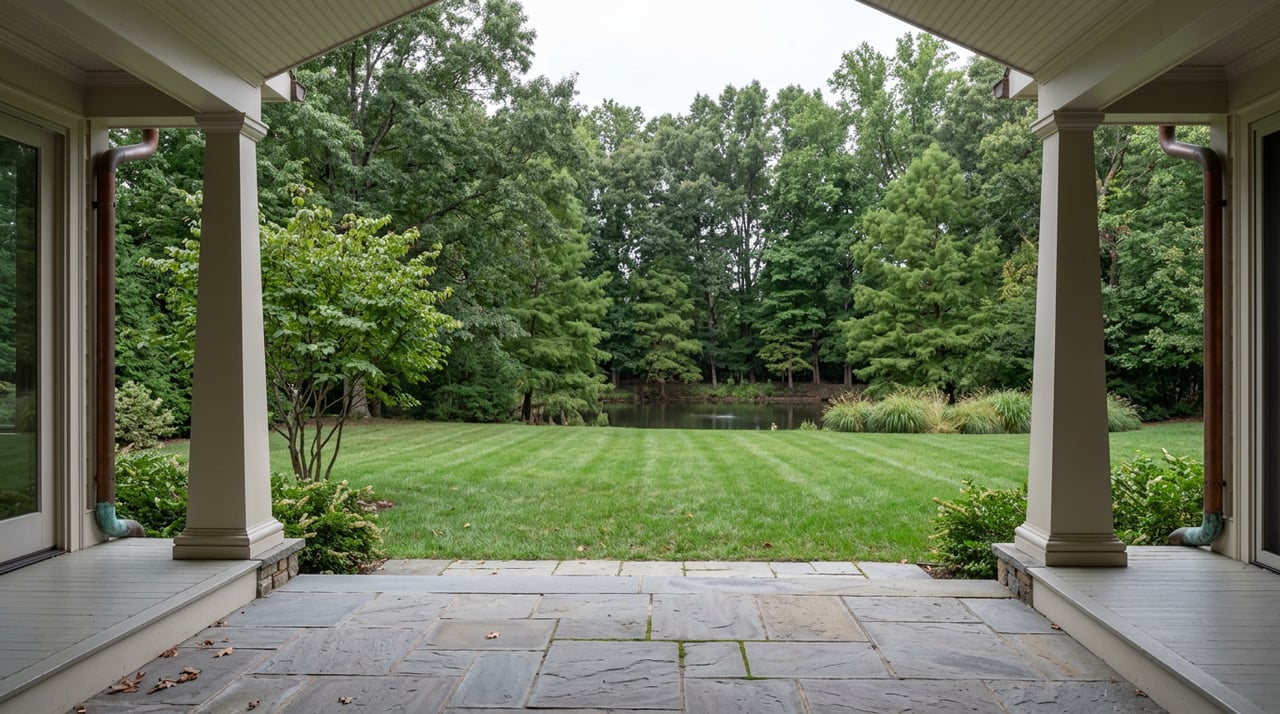
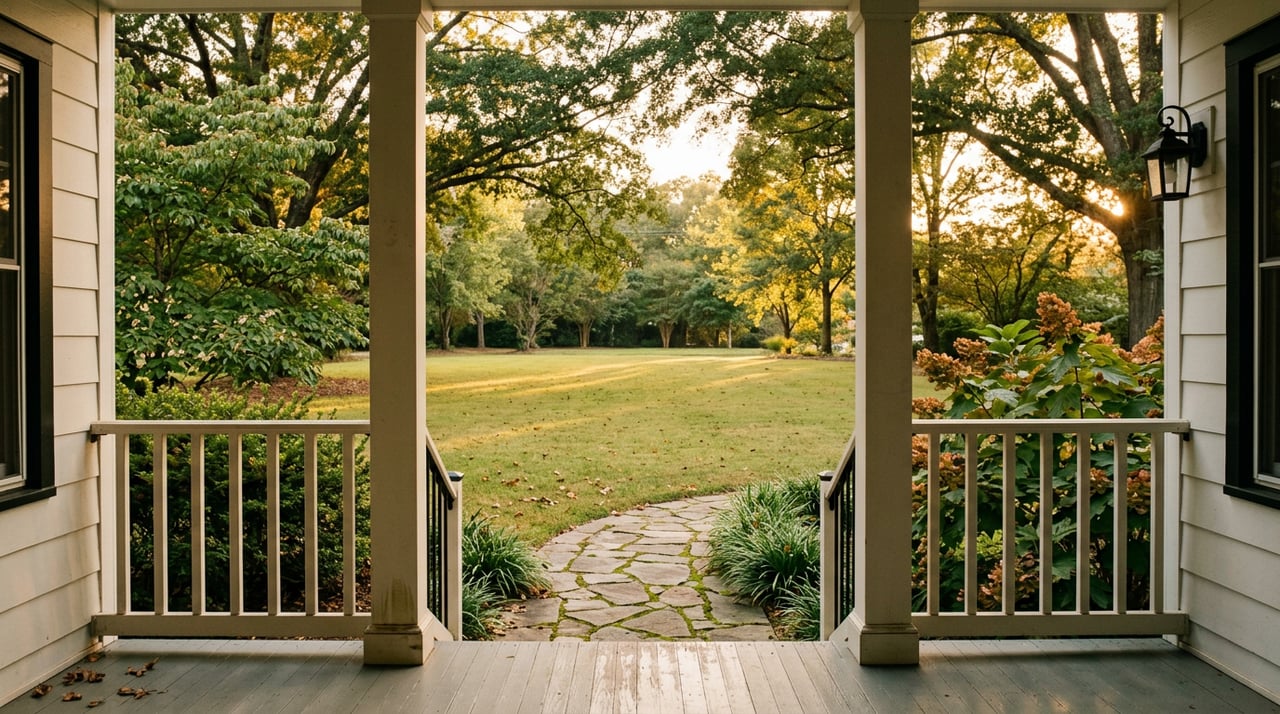
Meadowmont is a mixed-use community on the east side of Chapel Hill, just off Raleigh Road and Highway 54. According to the official community site, it was built in 1999 and spans about 435 acres. The neighborhood includes residential streets, walking trails, open space, and Meadowmont Village shops and restaurants.
That layout gives Meadowmont a distinct identity within Chapel Hill. It is not just a collection of homes, and it is not a downtown district either. Instead, it offers a planned village-style setting where homes, green space, and everyday services are intentionally woven together.
Meadowmont Housing Options
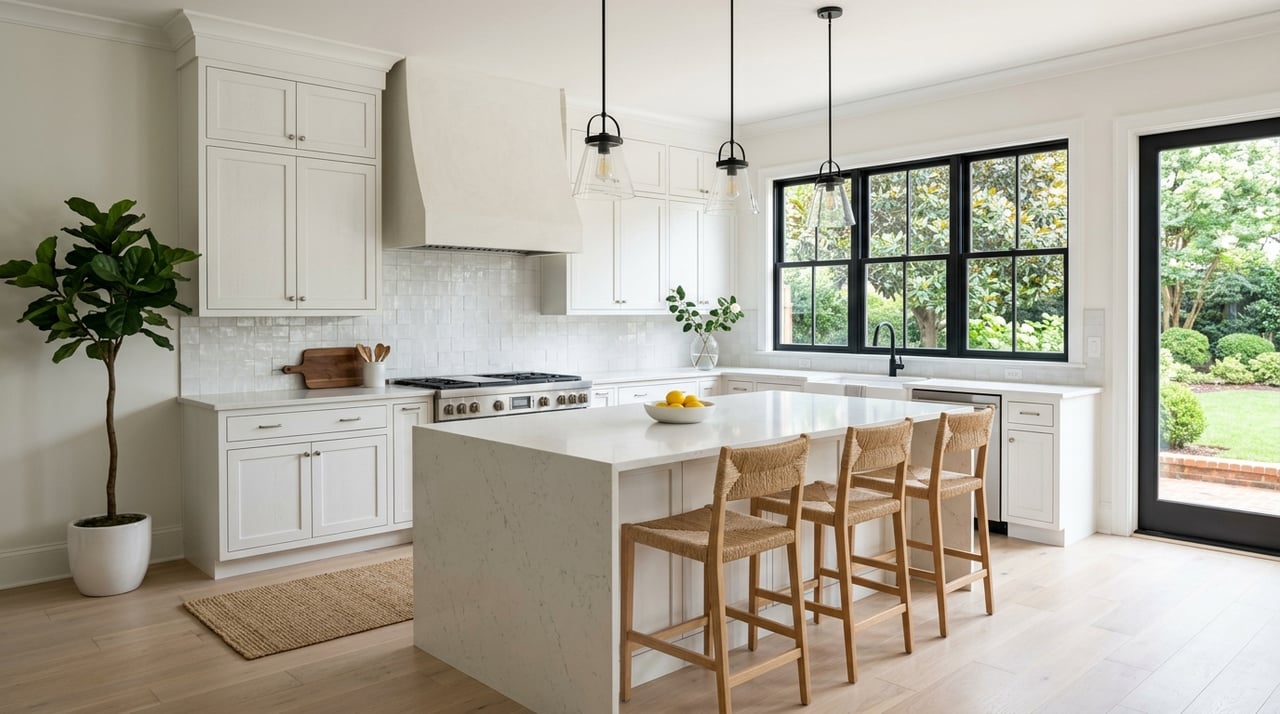
One of Meadowmont’s biggest strengths is its housing mix. The official neighborhood housing list includes row houses, traditional homes, cottage homes, condos, apartments, and a retirement community. That variety gives you more flexibility than you would find in a neighborhood built around only one type of housing.
For buyers, this matters because your needs may change over time. You might want a detached home with more space, or you may prefer a lower-maintenance condo or townhome-style option. Meadowmont gives you a wider range of ways to live in the same community.
Daily Life in Meadowmont
Meadowmont works well for buyers who want some walkable convenience built into daily life. The community highlights greenways, community parks, two playgrounds, ponds, the Chapel Hill Greenway Trail, and the YMCA pool as part of the broader neighborhood experience. Nearby anchors also include Rashkis Elementary School, the UNC Wellness Center, the Cedars of Chapel Hill, and the Paul J. Rizzo Conference Center and DuBose House.
In Meadowmont Village, you can find a Harris Teeter grocery store, restaurants, fitness studios, and services like The UPS Store. In practical terms, that means many routine errands can happen close to home. You may still drive often, but you are not always starting from scratch for basic needs.
How Walkable Is Meadowmont?
This is where buyer expectations matter. Walk Score gives Meadowmont a Walk Score of 45, a Transit Score of 35, and a Bike Score of 64. That means it is considered car-dependent overall, while still being somewhat bikeable.
The neighborhood’s own site emphasizes that Meadowmont Village includes retailers, restaurants, offices, and service providers within walking distance. Both things can be true at once. You can enjoy walkable pockets inside the community while still relying on a car for many trips beyond it.
If you are hoping for a downtown-style pedestrian lifestyle, Meadowmont may not be the best fit. Downtown Chapel Hill has a Walk Score of 68, which is notably higher. Meadowmont is better understood as a planned neighborhood with local convenience rather than a place where most households can comfortably live car-free.
Why Buyers Choose Meadowmont
For many buyers, Meadowmont hits a useful middle ground. You get more neighborhood structure and daily convenience than in a typical subdivision, but you are not committing to a dense urban setting. That balance can be especially appealing if you want easy errands, trails, and a mix of home styles in one place.
Relocating buyers often notice another major advantage: location within the Triangle. Meadowmont’s community materials describe it as being in easy reach of major universities, Research Triangle Park, and Raleigh-Durham International Airport. That can make the neighborhood especially practical if your work, travel, or family routine stretches across more than one part of the region.
Commute and Regional Access
If you need good access to larger employment centers, Meadowmont has a strong case. Research Triangle Park reports more than 55,000 employees and more than 385 companies, which supports the neighborhood’s appeal for people working in research, tech, university, and corporate settings. Meadowmont’s location also makes Chapel Hill, Durham, and other Triangle destinations feel more connected.
The area can also make sense for health care workers and frequent travelers. UNC Health is headquartered in Chapel Hill, and UNC Hospitals are in Chapel Hill as well. Raleigh-Durham International Airport is 17 miles east-southeast of Chapel Hill, which can be a meaningful convenience if you fly often.
HOA Rules to Understand
Meadowmont is governed by the Meadowmont Community Association. The association says it is led by a board of directors and a full-time community manager, and it maintains common areas, community standards, and events throughout the year. For some buyers, that structure adds predictability and helps support the neighborhood’s polished appearance.
There is also meaningful architectural oversight. The Meadowmont Architectural Review Committee requires approval for many exterior changes, including additions, decks, patios, facade changes, fences, major landscaping, walkways, retaining walls, satellite dishes, rooftop solar panels, and exterior EV charging stations. The committee typically meets once or twice a month, so projects may require extra planning time.
The guidelines also restrict some features. Above-ground pools are not allowed, and chain-link and horizontal rail fences are not permitted. If you value a more orderly and consistent streetscape, these rules may feel like a benefit. If you want maximum freedom to customize your exterior without review, Meadowmont may feel more structured than you prefer.
Meadowmont vs Downtown Chapel Hill
If you are comparing Chapel Hill lifestyles, Meadowmont and Downtown Chapel Hill serve different priorities. Downtown is the more walkable and urban option, with a Walk Score of 68. Meadowmont, at 45, offers less pedestrian intensity but more of a planned village-center feel.
That difference is important when choosing where you will feel most comfortable day to day. If you want to be in the middle of busier foot traffic and a more urban rhythm, downtown may align better. If you want neighborhood calm with some built-in convenience, Meadowmont may feel more balanced.
Meadowmont vs Southern Village
For many Chapel Hill buyers, Southern Village is the most useful comparison point. Southern Village is also described by its HOA as a multi-use planned community with apartments, condominiums, town homes, detached homes, and a business district. That makes it conceptually similar to Meadowmont.
If you are choosing between the two, the decision often comes down to which location, housing options, and neighborhood feel match your routine best. Both communities fit buyers who like a village-style format. The right choice depends on how you weigh commute patterns, home type preferences, and the kind of daily convenience you want close by.
Who Meadowmont Fits Best
Meadowmont can be a strong fit if you want:
- A Chapel Hill neighborhood with a mix of home types
- Some walkable errands and local services nearby
- Greenways, parks, and shared outdoor spaces
- Convenient access to Triangle job centers and the airport
- A more structured community setting with HOA oversight
It may be less ideal if you want:
- A highly walkable urban lifestyle
- Minimal HOA review for exterior projects
- A loosely regulated neighborhood with fewer design rules
Questions to Ask Before You Buy
Before you decide whether Meadowmont is right for you, it helps to think through how you actually live. A neighborhood can look great on paper but still miss the mark if it does not support your daily routine.
Ask yourself:
- Do you want to walk to some errands, even if you still drive often?
- Would a condo, row house, cottage home, or traditional home best fit your stage of life?
- Are you comfortable with HOA and architectural review rules?
- How important is quick access to Chapel Hill, RTP, or RDU?
- Do you prefer a planned neighborhood feel over a more urban one?
Those answers can help you narrow whether Meadowmont is simply appealing or truly practical for your next move.
Meadowmont stands out because it offers more than one kind of lifestyle under the same neighborhood umbrella. It combines a broad housing mix, useful local amenities, and strong regional access in a way that works well for many Chapel Hill buyers. The tradeoff is that you should expect to use a car regularly and work within a community with clear exterior rules.
If you want help comparing Meadowmont to other Chapel Hill neighborhoods, the team at Spotlight Realty can help you sort through the options and find the right fit for your goals.
FAQs
Is Meadowmont in Chapel Hill a walkable neighborhood?
- Meadowmont has walkable pockets, especially around Meadowmont Village, but Walk Score rates it at 45, which means it is car-dependent overall.
What types of homes are available in Meadowmont?
- Meadowmont includes row houses, traditional homes, cottage homes, condos, apartments, and a retirement community.
Does Meadowmont have an HOA?
- Yes. Meadowmont is governed by the Meadowmont Community Association, which maintains common areas, community standards, and events.
Do Meadowmont homeowners need approval for exterior changes?
- Yes. The Architectural Review Committee requires approval for many exterior changes, including decks, patios, fences, major landscaping, solar panels, and exterior EV charging stations.
Is Meadowmont a good option for Triangle commuters?
- Meadowmont can work well for commuters because it offers access to Chapel Hill, Research Triangle Park, major universities, and Raleigh-Durham International Airport.
How does Meadowmont compare with Downtown Chapel Hill?
- Meadowmont is less walkable and less urban than Downtown Chapel Hill, but it offers a more planned village-center environment with local services and varied housing types.