Chapel Hill is more than a charming college town—it’s a place where history, culture, and community come together in a way that feels uniquely timeless. With its deep academic roots, Southern charm, and artistic flair, Chapel Hill has grown from a small village into one of North Carolina’s most beloved towns. Every street, building, and landmark tells a story of resilience, progress, and pride.
For homebuyers and residents alike, understanding Chapel Hill’s history means gaining a deeper appreciation for what makes this area such a special place to live. Join Spotlight Realty as we explore the rich heritage that continues to shape Chapel Hill’s character and spirit today.
The Founding of Chapel Hill
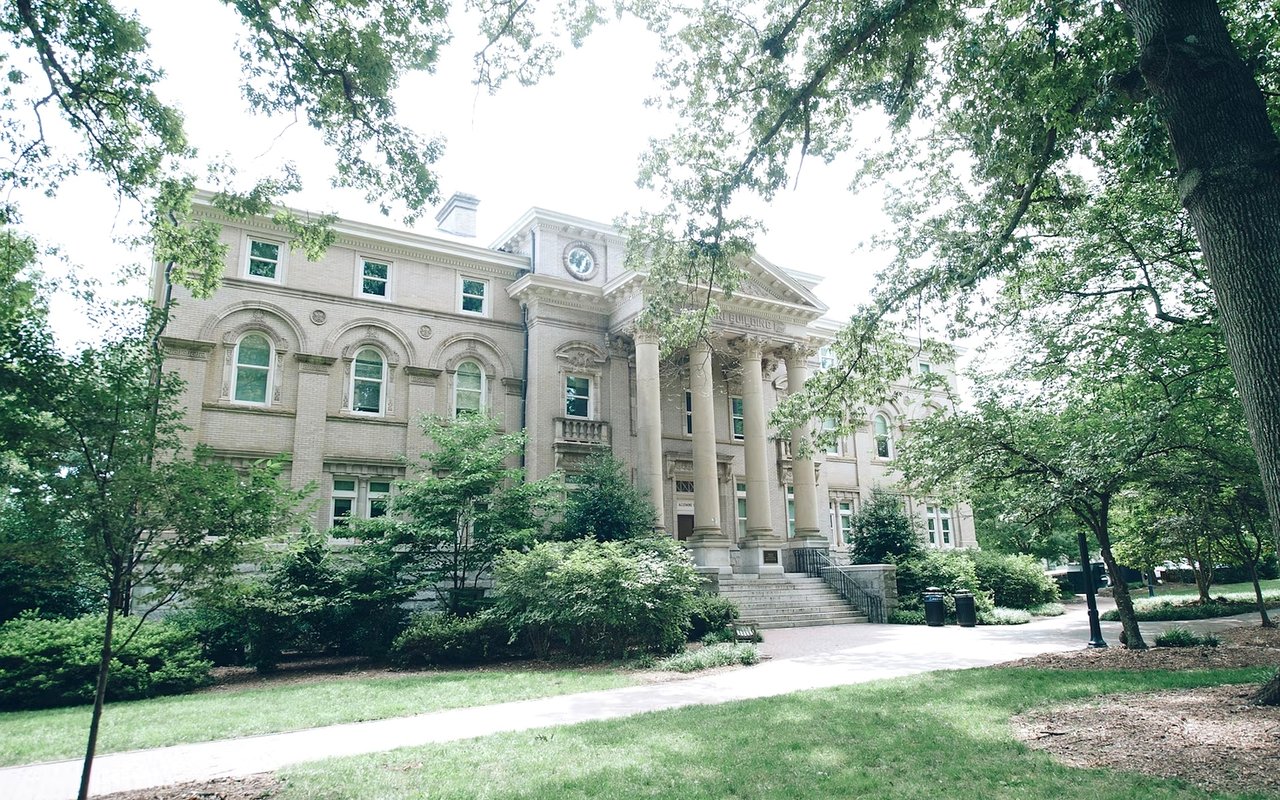
Chapel Hill’s story begins in the late 18th century when the North Carolina General Assembly decided to establish a new state university. In 1793, construction began on the University of North Carolina at Chapel Hill, the first public university in the United States to open its doors.
The town itself grew around the university, taking its name from “New Hope Chapel,” a small church that once stood on the hill where the university now sits. The university’s founding wasn’t just a milestone for education—it was the catalyst that shaped Chapel Hill’s identity as a center for learning, innovation, and community.
The earliest residents were academics, merchants, and tradespeople who supported the university and its students. Over time, the village flourished, developing a reputation for intellectual curiosity and cultural vibrancy that continues to define it today.
The town itself grew around the university, taking its name from “New Hope Chapel,” a small church that once stood on the hill where the university now sits. The university’s founding wasn’t just a milestone for education—it was the catalyst that shaped Chapel Hill’s identity as a center for learning, innovation, and community.
The earliest residents were academics, merchants, and tradespeople who supported the university and its students. Over time, the village flourished, developing a reputation for intellectual curiosity and cultural vibrancy that continues to define it today.
The University’s Lasting Influence
Few towns in America are as closely intertwined with their university as Chapel Hill. UNC-Chapel Hill remains the heart of the community, influencing everything from the local economy to the arts, culture, and civic life.
The iconic Old Well, modeled after a neoclassical temple, stands as a symbol of both the university and the town’s enduring spirit. Students, residents, and visitors alike stop to take a sip for good luck—a ritual that’s become one of Chapel Hill’s most cherished traditions.
The university also played a key role in shaping Chapel Hill’s reputation as a hub of progress and inclusivity. From early civil rights activism to pioneering research in medicine and technology, UNC-Chapel Hill has long been at the forefront of change, giving the town a forward-thinking, open-minded energy that attracts people from all over the world.
The iconic Old Well, modeled after a neoclassical temple, stands as a symbol of both the university and the town’s enduring spirit. Students, residents, and visitors alike stop to take a sip for good luck—a ritual that’s become one of Chapel Hill’s most cherished traditions.
The university also played a key role in shaping Chapel Hill’s reputation as a hub of progress and inclusivity. From early civil rights activism to pioneering research in medicine and technology, UNC-Chapel Hill has long been at the forefront of change, giving the town a forward-thinking, open-minded energy that attracts people from all over the world.
A Town of Cultural Depth and Diversity
Chapel Hill’s history is not just academic—it’s deeply cultural. The town’s artistic roots run deep, with a creative community that has flourished for decades. From local galleries to live music venues, Chapel Hill embraces art in all its forms.
In the 1950s and 1960s, the town became a gathering place for musicians and writers who helped shape the American folk and rock scenes. Cat’s Cradle, one of North Carolina’s most famous live music venues, has hosted legendary acts and continues to draw local and national performers.
The creative influence extends to the visual arts as well, with the Ackland Art Museum offering an impressive collection of over 20,000 works ranging from Asian art to modern American pieces. This commitment to cultural enrichment gives Chapel Hill its distinctive charm and sense of sophistication.
In the 1950s and 1960s, the town became a gathering place for musicians and writers who helped shape the American folk and rock scenes. Cat’s Cradle, one of North Carolina’s most famous live music venues, has hosted legendary acts and continues to draw local and national performers.
The creative influence extends to the visual arts as well, with the Ackland Art Museum offering an impressive collection of over 20,000 works ranging from Asian art to modern American pieces. This commitment to cultural enrichment gives Chapel Hill its distinctive charm and sense of sophistication.
Historic Landmarks and Architecture
Walking through Chapel Hill feels like stepping into a living museum. The town’s architecture tells the story of its growth and transformation over more than two centuries.
Franklin Street, the town’s main thoroughfare, has been a bustling center of activity since the 1800s. Today, it’s lined with restaurants, shops, and landmarks that reflect Chapel Hill’s blend of tradition and innovation. Historic homes and buildings, such as those found in the Cameron-McCauley Historic District, showcase elegant examples of Federal, Greek Revival, and Colonial Revival architecture.
The Horace Williams House, built in 1854, stands as one of Chapel Hill’s best-preserved historic homes. Once the residence of a beloved UNC professor, it now serves as a community arts and events space. Similarly, Gimghoul Castle, shrouded in local legend, adds an air of mystery and folklore to the town’s historic landscape.
These landmarks aren’t just relics—they’re part of Chapel Hill’s ongoing story, connecting past and present through preservation and pride.
Franklin Street, the town’s main thoroughfare, has been a bustling center of activity since the 1800s. Today, it’s lined with restaurants, shops, and landmarks that reflect Chapel Hill’s blend of tradition and innovation. Historic homes and buildings, such as those found in the Cameron-McCauley Historic District, showcase elegant examples of Federal, Greek Revival, and Colonial Revival architecture.
The Horace Williams House, built in 1854, stands as one of Chapel Hill’s best-preserved historic homes. Once the residence of a beloved UNC professor, it now serves as a community arts and events space. Similarly, Gimghoul Castle, shrouded in local legend, adds an air of mystery and folklore to the town’s historic landscape.
These landmarks aren’t just relics—they’re part of Chapel Hill’s ongoing story, connecting past and present through preservation and pride.
The Role of the Civil Rights Movement
Chapel Hill has a long tradition of social consciousness and activism. During the 1960s, the town played a significant role in the Civil Rights Movement. Students and residents organized protests and sit-ins along Franklin Street, demanding equal rights and desegregation in public spaces.
This spirit of advocacy and inclusion helped shape Chapel Hill into one of the most progressive communities in the South. The town’s dedication to equality and justice remains strong today, reflected in its civic engagement, diverse population, and continued commitment to social progress.
For many residents, this legacy is a source of pride—a reminder that Chapel Hill’s values are rooted in compassion, respect, and collective growth.
This spirit of advocacy and inclusion helped shape Chapel Hill into one of the most progressive communities in the South. The town’s dedication to equality and justice remains strong today, reflected in its civic engagement, diverse population, and continued commitment to social progress.
For many residents, this legacy is a source of pride—a reminder that Chapel Hill’s values are rooted in compassion, respect, and collective growth.
The Growth of Modern Chapel Hill
While steeped in history, Chapel Hill has evolved into a vibrant, modern town that continues to attract residents for its livability and charm. Over the past few decades, the town has experienced thoughtful growth, balancing preservation with innovation.
The arrival of new businesses, tech startups, and medical research facilities has fueled economic expansion, while local leaders have worked to maintain the small-town feel that defines Chapel Hill’s identity. Nearby developments like Southern Village and Meadowmont exemplify this balance—modern communities designed with walkability, green spaces, and architectural harmony in mind.
This thoughtful growth ensures that Chapel Hill’s heritage remains intact even as it adapts to the needs of new generations.
The arrival of new businesses, tech startups, and medical research facilities has fueled economic expansion, while local leaders have worked to maintain the small-town feel that defines Chapel Hill’s identity. Nearby developments like Southern Village and Meadowmont exemplify this balance—modern communities designed with walkability, green spaces, and architectural harmony in mind.
This thoughtful growth ensures that Chapel Hill’s heritage remains intact even as it adapts to the needs of new generations.
Festivals, Traditions, and Community Spirit
Part of what makes Chapel Hill so endearing is its celebration of tradition and togetherness. The town hosts a wide variety of annual festivals and community events that bring people together from all walks of life.
The Festifall Arts Market, held each autumn, showcases local artists, musicians, and craftsmen. The Apple Chill Festival and Tar Heel 10 Miler also draw residents and visitors for days filled with fun, food, and community pride.
Sports, too, play a major role in Chapel Hill’s cultural fabric. UNC basketball isn’t just a pastime—it’s a passion. Game days at the Dean Smith Center unite the town in a sea of Carolina blue, creating memories that last a lifetime.
From arts and athletics to seasonal celebrations, Chapel Hill’s community events reflect its history of unity, creativity, and joy.
The Festifall Arts Market, held each autumn, showcases local artists, musicians, and craftsmen. The Apple Chill Festival and Tar Heel 10 Miler also draw residents and visitors for days filled with fun, food, and community pride.
Sports, too, play a major role in Chapel Hill’s cultural fabric. UNC basketball isn’t just a pastime—it’s a passion. Game days at the Dean Smith Center unite the town in a sea of Carolina blue, creating memories that last a lifetime.
From arts and athletics to seasonal celebrations, Chapel Hill’s community events reflect its history of unity, creativity, and joy.
Living in a Town with Timeless Character
For those considering making Chapel Hill home, the town’s rich history and vibrant present create an irresistible combination. It offers the sophistication of a university hub, the creativity of an arts community, and the warmth of a close-knit Southern town.
The charm of historic neighborhoods blends seamlessly with the amenities of modern living, giving residents the best of both worlds. Whether you’re drawn by the architecture, the culture, or the sense of belonging, Chapel Hill continues to offer an exceptional quality of life rooted in its heritage.
The charm of historic neighborhoods blends seamlessly with the amenities of modern living, giving residents the best of both worlds. Whether you’re drawn by the architecture, the culture, or the sense of belonging, Chapel Hill continues to offer an exceptional quality of life rooted in its heritage.
Discover Chapel Hill with Spotlight Realty
At Spotlight Realty, we believe that understanding a community’s history helps you appreciate its present—and invest confidently in its future. Our team knows Chapel Hill’s neighborhoods, schools, and cultural landmarks intimately, and we take pride in helping clients find homes that fit both their lifestyle and their values.
If you’re ready to explore the beauty, heritage, and opportunity that Chapel Hill offers, we’re here to guide you every step of the way.
Learn more about buying or selling in this remarkable town through our helpful resources:
If you’re ready to explore the beauty, heritage, and opportunity that Chapel Hill offers, we’re here to guide you every step of the way.
Learn more about buying or selling in this remarkable town through our helpful resources:
Ready to make Chapel Hill part of your story? Contact Spotlight Realty today to start your journey toward finding your perfect home in one of North Carolina’s most historic and inspiring communities.
Explore the Buyer’s Guide | Explore the Seller’s Guide
Explore the Buyer’s Guide | Explore the Seller’s Guide