By Spotlight Realty
Durham has one of the more livable climates in the Southeast — four distinct seasons, mild winters, and spring and fall conditions that make the Bull City easy to love. Summers are warm and humid, and the city is well-built for it. If you're planning a move to Durham, NC, knowing what each season actually feels like on the ground will help you time your home search and figure out the best window to visit.
Key Takeaways
-
Durham, NC, has four distinct seasons with mild winters and hot, humid summers
-
Spring and fall offer the most comfortable conditions for house hunting and getting to know the city
-
Annual rainfall averages around 50 inches, spread fairly evenly across all four seasons
-
The climate supports year-round outdoor living — one of the things residents consistently love about living here
Spring in Durham, NC,: The Best Time to Fall in Love With the City
If you can visit Durham, NC, in the spring, do it. From March through May, temperatures climb from the low 50s to the mid-80s. The American Tobacco Trail fills with cyclists and runners, the streets around Trinity Park and Forest Hills come alive.
Spring is also prime home-buying season here. Listings go up, open houses draw crowds, and buyers who start their search in late February or March regularly get ahead of the peak.
Spring is also prime home-buying season here. Listings go up, open houses draw crowds, and buyers who start their search in late February or March regularly get ahead of the peak.
What to Expect During Durham's Spring Months
-
March is still cool, with lows in the low 40s and highs in the mid-60s — layers are a good idea through mid-month
-
April and May are the sweet spot: highs in the mid-70s to low 80s, lower humidity than summer, and plenty of sunshine
-
Rainfall averages around 3 inches per month, so expect a mix of gorgeous days and some rainy weekends
-
Pollen season peaks in April — worth knowing if that's a factor for your household
April through mid-June is the window we most often recommend for relocation visits. You'll see the city at its best.
Summer in Durham, NC,: Hot, Humid, and Full of Activity
Summers in Durham, NC, run warm and humid from June through August, with average highs in the upper 80s to low 90s and July topping out around 89°F. Afternoons build up heat and humidity, and the Eno River State Park becomes a go-to for swimming and kayaking. People here get into a rhythm with the season fast.
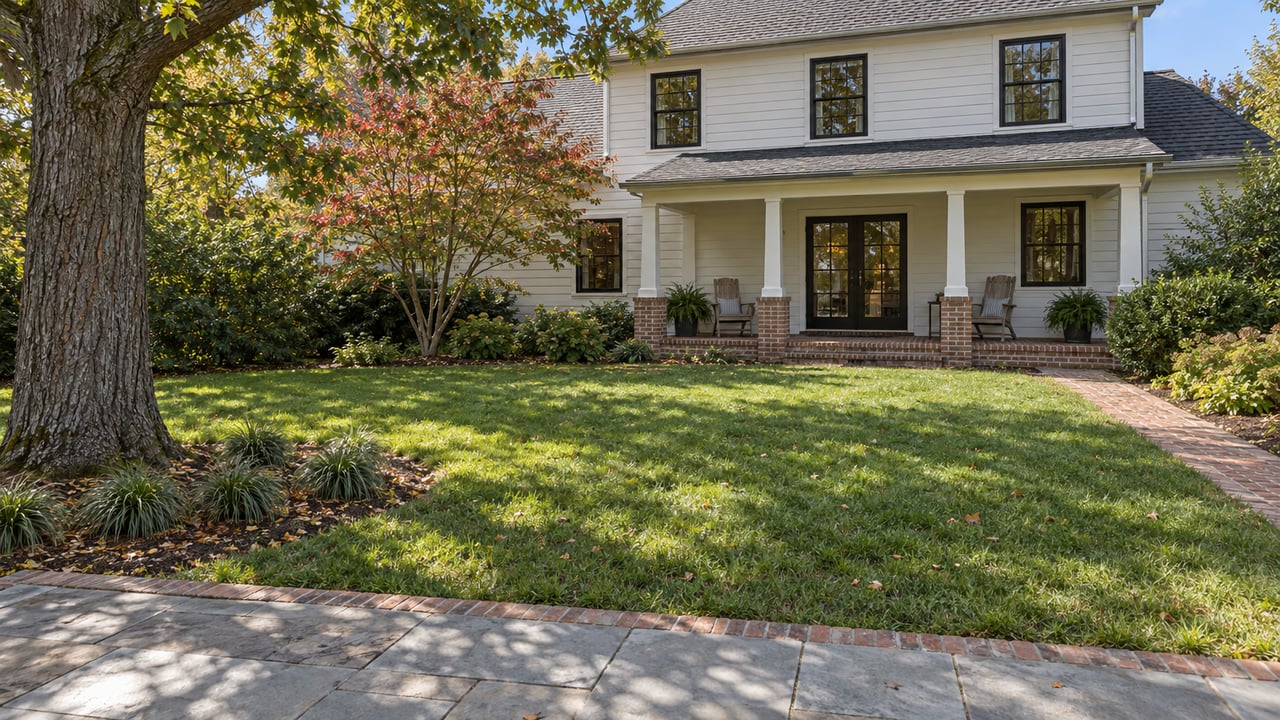
Many of Durham's established neighborhoods — Hope Valley, Woodcroft, Forest Hills — have mature tree canopies that make a real difference in outdoor comfort.
Many of Durham's established neighborhoods — Hope Valley, Woodcroft, Forest Hills — have mature tree canopies that make a real difference in outdoor comfort.
How Durham Residents Make the Most of Summer
-
Early morning is the best time for outdoor activity — the Tobacco Trail is busy well before 8 a.m.
-
Afternoon thunderstorms are common in July and August but typically pass through fast
-
Neighborhoods with older tree cover are noticeably cooler and more comfortable for evening walks
-
The city's food and nightlife scene is at full strength all summer — outdoor dining stays busy well into the evening
For buyers, summer is still an active market. Inventory stays strong through August, and it's a good season to search if you want to be settled before fall.
Fall in Durham, NC,: The Season Locals Love Most
Ask anyone who's lived in Durham, NC, for a few years what their favorite season is, and most will say fall without missing a beat. From September through November, temperatures ease back to the comfortable 50s and 60s, humidity drops, and the city takes on a slower, more relaxed pace. Neighborhoods around Duke Forest and Old West Durham are stunning in October — hardwood trees turning deep red and gold.
It's also a smart time to buy. Competition drops from the spring peak, and sellers are often more willing to negotiate. If you're thinking about selling your home before you move, fall tends to be a strong window for that too.
It's also a smart time to buy. Competition drops from the spring peak, and sellers are often more willing to negotiate. If you're thinking about selling your home before you move, fall tends to be a strong window for that too.
Fall Highlights for Future Durham, NC, Residents
-
October is widely considered the best month of the year here for weather and outdoor activity
-
The Eno River corridor is at its most beautiful in the fall, and far less crowded than summer
-
Buyers in September and October typically find less competition and more negotiating room than in spring
-
November stays mild deep into the month, with average highs holding in the upper 50s
Winter in Durham, NC,: Mild With Occasional Surprises
Durham winters are genuinely mild — especially if you're coming from somewhere that actually gets winter. Average highs in January sit around 50°F, with overnight lows in the low 30s. The city gets about 4 inches of snow per year, usually in short bursts. What does occasionally disrupt things is ice — roads can get slick quickly, and locals take those days seriously even when the accumulation looks minor.
What to Know About Durham Winters Before You Move
-
January and February are the coldest months, but hard freezes for more than a day or two are uncommon
-
Ice events are more disruptive than snowfall — plan accordingly when they do happen
-
Winter is the lowest-competition window for buyers — the market slows in December and January, which can create real opportunity
-
Cold-weather weekends here are well-spent at the Durham Museum of Life and Science, the coffee shops along Ninth Street, or the city's many breweries
Motivated sellers and well-priced homes in neighborhoods like Northgate Park still move — it's a window worth taking seriously.
Frequently Asked Questions About Durham, NC, Weather
Does Durham, NC, Get Snow?
Durham does get snow, but not a lot of it. The city averages around 4 inches per year, mostly in January and February. Big snowstorms are rare, but ice events do happen and tend to have a bigger impact on daily life than snow accumulation alone.
What Is the Best Time of Year to Visit Durham, NC?
April through mid-June and late September through October are the sweet spots. The weather is mild, humidity is lower, and the city is at its most active and enjoyable.
How Hot Do Durham, NC, Summers Get?
July is the hottest month, with average highs around 89°F. Humidity makes the afternoons feel heavier than the temperature alone suggests. Most residents shift outdoor activity to mornings and evenings — and neighborhoods with mature tree cover make a noticeable difference in how comfortable it feels.
Contact Spotlight Realty Today
Durham, NC, has a climate that rewards people who want to actually be outside — spring and fall that are genuinely beautiful and winters that don't get in the way.
When you're ready to start your search, reach out to us, Spotlight Realty. We know this market and we'll help you find the right home in the right neighborhood — whatever season your move begins.
When you're ready to start your search, reach out to us, Spotlight Realty. We know this market and we'll help you find the right home in the right neighborhood — whatever season your move begins.