7 Hidden Costs of Living in Raleigh, Durham, and Chapel Hill
Thinking about moving to the Triangle? Here's what you need to know about the expenses that don't always show up in your cost-of-living research.
The Raleigh-Durham-Chapel Hill area continues to attract people looking for career opportunities, vibrant communities, and a high quality of life. For many relocating buyers, North Carolina also offers a more affordable lifestyle than the places they're leaving behind.
But while the Triangle may offer a lower overall cost of living, there are several expenses that can surprise new residents.
From annual vehicle property taxes to toll-road commutes, these often-overlooked costs can add thousands of dollars to your annual budget.
Before deciding where to buy a home in the Triangle, here are seven expenses worth understanding.
1. North Carolina Charges Annual Property Taxes on Vehicles
One expense that catches many newcomers off guard is North Carolina's annual vehicle property tax.
Unlike states where vehicle-related taxes are primarily collected at purchase, North Carolina assesses personal property taxes on registered vehicles each year.
Through the state's Tag & Tax Together program, vehicle property taxes are generally collected alongside registration renewals.
The amount you owe depends on your vehicle's assessed value and the applicable local tax rate.
For example, using a combined rate of $1.016 per $100 of assessed value, a vehicle valued at $35,000 would generate approximately $356 in annual property taxes.
For a two-car household, this can become a meaningful recurring expense.
The good news? As your vehicle depreciates, its taxable value generally decreases as well.
2. Homeowners Insurance Costs Are Increasing
Homeowners insurance is another expense worth revisiting when planning your move.
North Carolina has experienced insurance rate increases, and premiums can vary significantly depending on your property, insurance carrier, coverage, and claims history.
While coastal communities often face greater insurance-related risks, homeowners throughout the state can be affected by changing rates.
When budgeting for a home purchase in Raleigh, Durham, Chapel Hill, or surrounding communities, request current insurance quotes for the specific property you're considering.
An estimate from several months ago may not accurately reflect what you'll pay today.
3. Property Taxes Aren't the Only Local Charges
When comparing homes, most buyers focus on the advertised property tax rate.
However, certain municipalities also collect fees that aren't necessarily reflected in that rate.
In Durham, for example, homeowners may encounter additional charges such as:
- Solid waste fees: Charges associated with residential waste collection.
- Stormwater fees: Charges that help fund drainage and stormwater management infrastructure.
Stormwater charges may vary based on a property's impervious surface area, including roofs, driveways, and patios.
These expenses may appear on different bills, making them easy to overlook when estimating monthly housing costs.
Before purchasing, ask for a complete picture of property taxes, municipal fees, utilities, and any applicable HOA dues.
4. School District Taxes Can Make a Significant Difference
Property taxes can vary substantially between neighboring Triangle communities.
One example is the Chapel Hill-Carrboro City Schools district, where a supplemental district tax adds to the applicable county and municipal property taxes.
This means two homes with similar purchase prices can carry noticeably different annual tax obligations depending on their location.
In the comparison presented in our video, a $700,000 home in Chapel Hill could have an annual property tax bill approximately $2,200 higher than a similarly assessed home in Durham, based on the illustrative rates used.
Carrboro can also have a higher combined tax rate than Chapel Hill, despite the two communities being directly adjacent.
The takeaway: Don't compare counties alone. Verify the full tax rate for the property's exact address, including any special districts.
5. A Lower Property Tax Rate Doesn't Always Mean a Lower Bill
Property tax reappraisals can be confusing, especially for buyers moving from another state.
During a reappraisal, a county reassesses property values to reflect changing market conditions.
If assessed values increase significantly, a county can lower its tax rate while homeowners still experience higher tax bills.
Chatham County's 2025 reappraisal provides an example of why this matters.
Although the county reduced its property tax rate, the adopted rate remained above the revenue-neutral rate calculated following reappraisal.
A revenue-neutral rate is designed to generate approximately the same overall property tax revenue after accounting for changes in assessed values, subject to applicable adjustments.
When researching property taxes, look beyond the advertised rate. Consider the property's current assessed value, the applicable tax districts, and any recent or upcoming reappraisals.
6. Many Triangle Households Depend on Two Cars
The Triangle covers a large geographic area, with major employment centers spread across Raleigh, Durham, Chapel Hill, Research Triangle Park, and surrounding suburbs.
While public transportation options exist, many households find that having two vehicles is the most practical arrangement, particularly when adults commute to different locations.
That can mean budgeting for:
- Two vehicle property tax bills
- Insurance and registration for both vehicles
- Fuel and maintenance
- Parking and potential toll expenses
If you're relocating from a city where you primarily relied on public transit or owned just one vehicle, transportation could represent a larger portion of your household budget.
Consider your daily commute and lifestyle needs before choosing a neighborhood.
7. Triangle Expressway Tolls Can Add Up Quickly
One of the most easily overlooked commuting expenses in the Triangle is the Triangle Expressway.
This toll road serves parts of western and southern Wake County, including areas near Cary, Apex, Morrisville, and Holly Springs.
For some residents, the Expressway offers a convenient route to major employment centers. However, frequent toll-road use can add a substantial annual expense.
Depending on the route, a round-trip commute could cost approximately $8.50 per workday using the toll figures discussed in our video.
Over 250 workdays, that adds up to approximately $2,125 per year.
Actual toll costs depend on your entry and exit points, vehicle type, payment method, and current rates.
Before purchasing a home, use the official NC Quick Pass toll calculator to estimate the cost of your anticipated commute.
A home that looks perfect on paper may have transportation expenses you hadn't considered.
How Much Should You Budget for These Hidden Costs?
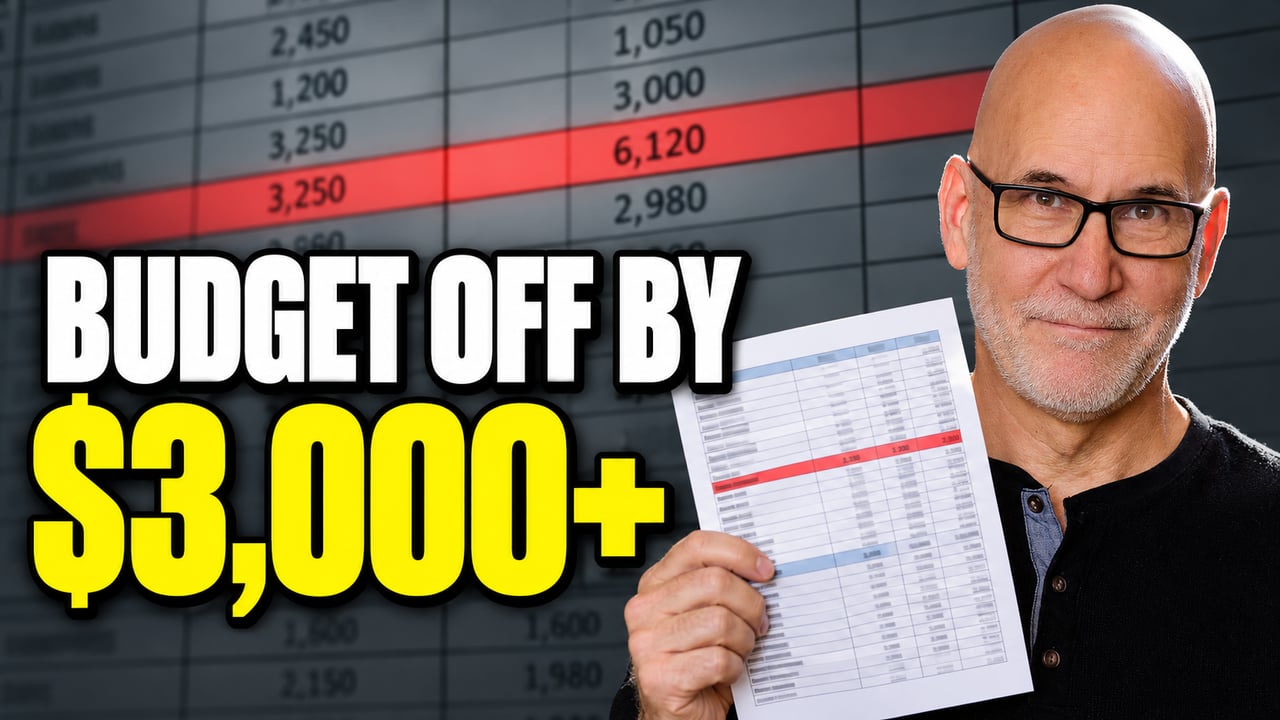
Depending on your household, location, and commute, these expenses could add several thousand dollars annually to your cost of living.
Bill Stevenson of Spotlight Realty estimates that some relocating households could encounter approximately $3,000 to $6,000 in additional annual expenses that weren't included in their initial research.
That isn't a universal estimate. Your actual costs will depend on factors such as your home, vehicles, insurance coverage, tax districts, and commuting habits.
The important thing is to evaluate your complete financial picture before making a move.
Planning a Move to the Triangle? Local Knowledge Matters.
Raleigh, Durham, Chapel Hill, and the surrounding communities have plenty to offer. For many relocating buyers, the Triangle remains an attractive and affordable place to call home.
But understanding the differences between communities can help you avoid unexpected expenses and choose a location that truly fits your lifestyle and budget.
At Spotlight Realty, we help buyers navigate more than just home listings. We help them understand the communities, commuting considerations, and local factors that can influence their homeownership experience.
If you're considering relocating to the Triangle, we'd be happy to help you explore your options and understand what living here could look like for you.
Watch our full video, "The Hidden Costs of Living in the Triangle Nobody Warns You About," featuring Spotlight Realty's Bill Stevenson, for a closer look at these seven expenses.
Note: Tax rates, insurance premiums, municipal fees, and toll charges are subject to change. Confirm current figures with the appropriate agencies and service providers before making financial decisions.